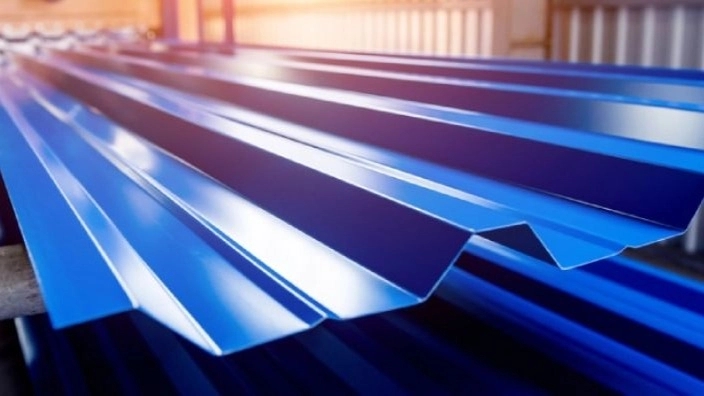
Roll forming profile U
Roll forming profile C
Roll forming profile I
Roll forming profile L
Roll forming profile Z Roll forming profile C
Roll Forming Process Methods
Cold roll forming: The cold roll forming process is suitable for steel, aluminum, etc. sheets because the mentioned sheets are less thick than other sheets. Therefore, it can be said that the cold method in roll forming is reserved for thin and low-thick sheets, and its use is more than hot rolling. Due to the lower temperature than the hot method, it is called the cold method. The better the sheet package, devices and tools, the better the forming operation will be. In fact, doing the cold process is easier than the hot method. Hot roll forming: The hot roll forming method is performed by few factories because this method is not widely used in the industry and requires a lot of caution and precision because it requires proper temperature adjustment to carry out the process and if it is not followed, the manufactured product will be damaged. It can be said that this method is used for thick sheets such as beams, corners or plates.
The benefits of a roll forming method
Roll forming is better and more professional compared to traditional bending methods, bending, rolling, press brake, etc. are used in this operation. The stress on the parts is low. This method has a high speed and does not require a direct operator; Labor is used only for product packaging and storage. Therefore, production costs are significantly reduced. The ability to form most metals is possible. Forming takes place in a repeatable process. This method produces a high quality and uniform product. More machine power is used instead of human power.
Types of forming molds
Gable sheet
Pottery or the Wallermo type
Pottery or the French type
Trapezoidal or steel deck sheet
wall or gantry type Wall or Dampa and Nama
type